
Traditional Andalusian Living in the Heart of Marbella
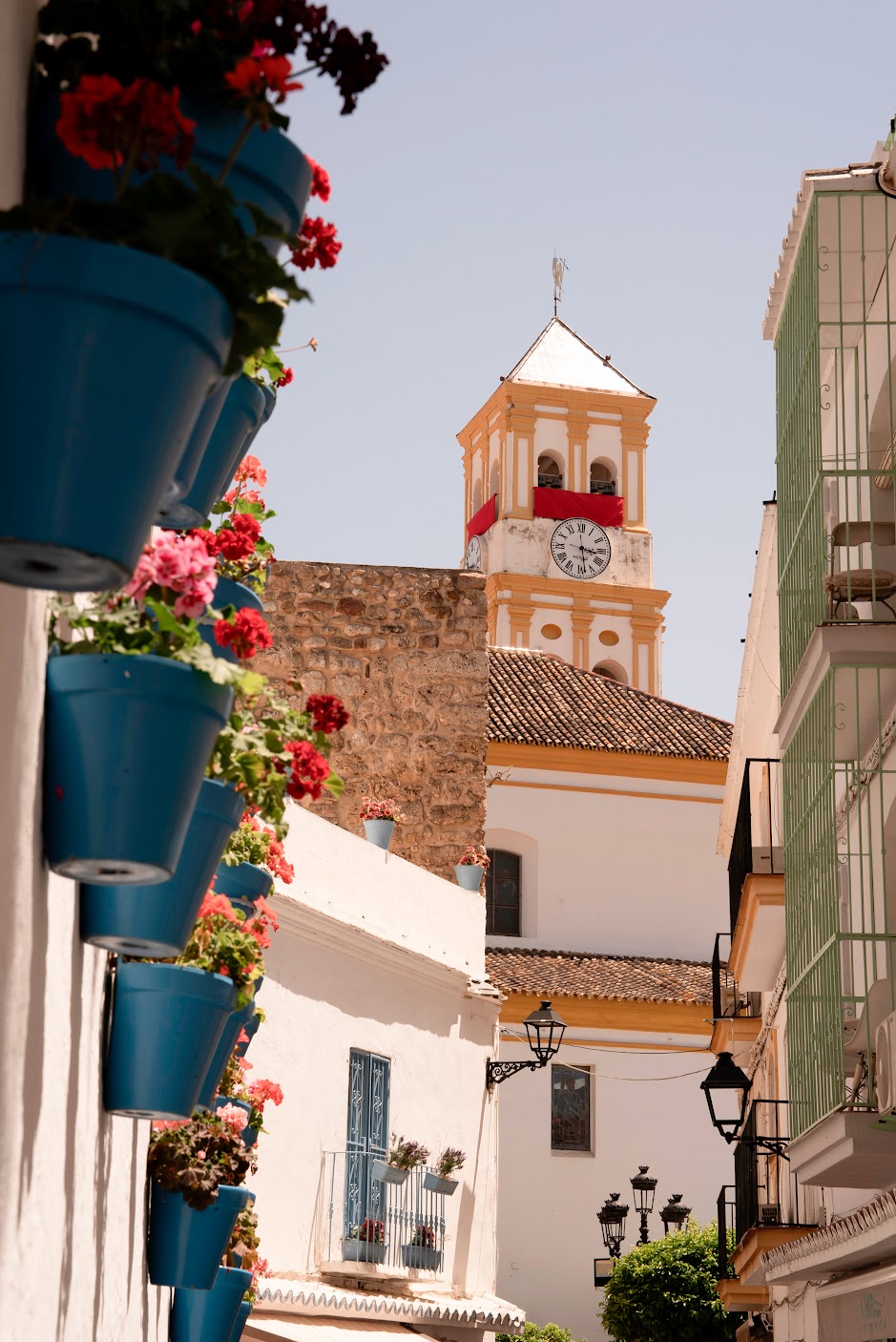
Marbella Old Town is one of the most distinctive parts of the Costa del Sol, where traditional Andalusian architecture, lively plazas, and narrow cobbled streets come together in the heart of the city. With its whitewashed buildings, colourful flowers, and independent shops, the historic centre offers a different side of Marbella, away from the larger residential developments and resort-style communities along the coast.
Despite its historic surroundings, Marbella Old Town is very much a living neighbourhood. Local cafés, family-run restaurants, small boutiques, and everyday services sit alongside centuries-old buildings, creating an atmosphere that feels both traditional and lively throughout the year. The beach, promenade, and modern city centre are all within walking distance, making it easy to enjoy both sides of Marbella.
In this guide, we explore what makes Marbella Old Town such a special place to live, from its history and property market to restaurants, schools, local amenities, and the practical aspects of everyday life in the historic centre.
What is Marbella Old Town?
Marbella Old Town, also known as Casco Antiguo de Marbella, is the historic centre of Marbella, located just a short walk from the Mediterranean coastline. It is known for its traditional Andalusian architecture, pedestrian-friendly streets, and welcoming atmosphere that attracts both residents and visitors throughout the year.
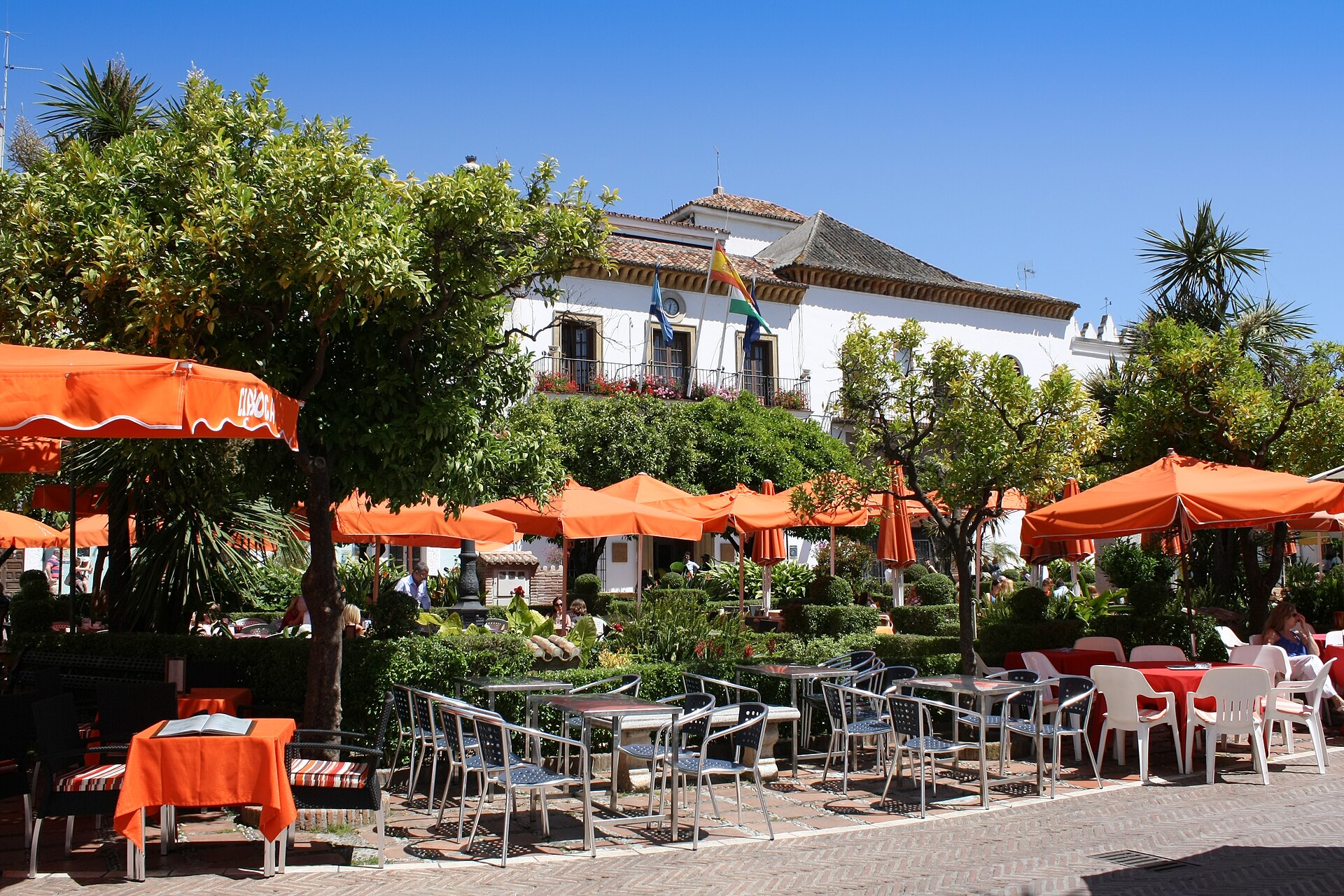
At the heart of the Old Town is Plaza de los Naranjos, a picturesque square surrounded by orange trees, cafés, restaurants, and historic buildings, including Marbella’s Town Hall. From here, a network of narrow streets leads through whitewashed houses, small plazas, independent boutiques, and traditional Spanish restaurants.
Unlike Marbella’s newer residential areas, the Old Town has developed over centuries, giving it a character that cannot easily be recreated. Properties range from traditional townhouses with interior patios to renovated homes and apartments tucked away along its historic streets.
The neighbourhood combines a strong local Spanish community with international residents, creating a lively yet comfortable atmosphere. For those who enjoy walking to cafés, restaurants, shops, and the beach, Marbella Old Town offers a convenient and engaging way of life.
Where is Marbella Old Town Located?
Marbella Old Town is located in the centre of Marbella, just north of the main coastal road and within walking distance of the Mediterranean Sea. Its central position places residents close to the beach, the seafront promenade, shopping streets, restaurants, and the wider amenities of Marbella town.
The historic centre is largely pedestrianised, making it easy to explore on foot. Streets such as Calle Ancha and Calle Nueva connect some of the Old Town’s most recognisable squares and historic buildings, while Avenida Ricardo Soriano and the surrounding city centre provide access to supermarkets, banks, medical services, and public transport.
Marbella Old Town is also well connected to the rest of the Costa del Sol via the A-7 coastal road and the nearby AP-7 motorway. Puerto Banús, San Pedro de Alcántara, and the residential areas of Nueva Andalucía are all within a comfortable driving distance.
Approximate distances from Marbella Old Town:
- Beach – 500 m
- Marbella Promenade – 600 m
- Puerto Banús – 8 km
- San Pedro de Alcántara – 11 km
- La Cañada Shopping Centre – 3 km
- Málaga Airport – 52 km
One of the Old Town’s main advantages is how much can be reached without a car, offering a more walkable lifestyle than many of Marbella’s surrounding residential communities.
The History of Marbella Old Town
Marbella Old Town has a history stretching back centuries, with influences from Roman, Moorish, and Christian periods still visible in its streets and architecture.
During the Moorish period, Marbella developed as a fortified settlement, with defensive walls and a castle protecting the town. Parts of these historic structures remain today, including sections of the Arab castle walls near Plaza de la Iglesia.
Following the Christian conquest of Marbella in 1485, the town gradually developed around new civic and religious buildings. Plaza de los Naranjos was established in the late 15th century and became the centre of public life, surrounded by important buildings such as the Town Hall and Casa del Corregidor.
Over the following centuries, Marbella remained a relatively small Andalusian town, supported by fishing, agriculture, and local trade. Its transformation began in the mid-20th century, when international tourism brought significant development to the surrounding coastline.
While modern Marbella expanded rapidly, the Old Town retained much of its original street layout and architectural character. Today, its historic buildings, traditional houses, and lively public squares offer a connection to Marbella’s past while continuing to serve as an active part of the modern city.
What Types of Properties Are Available in Marbella Old Town?
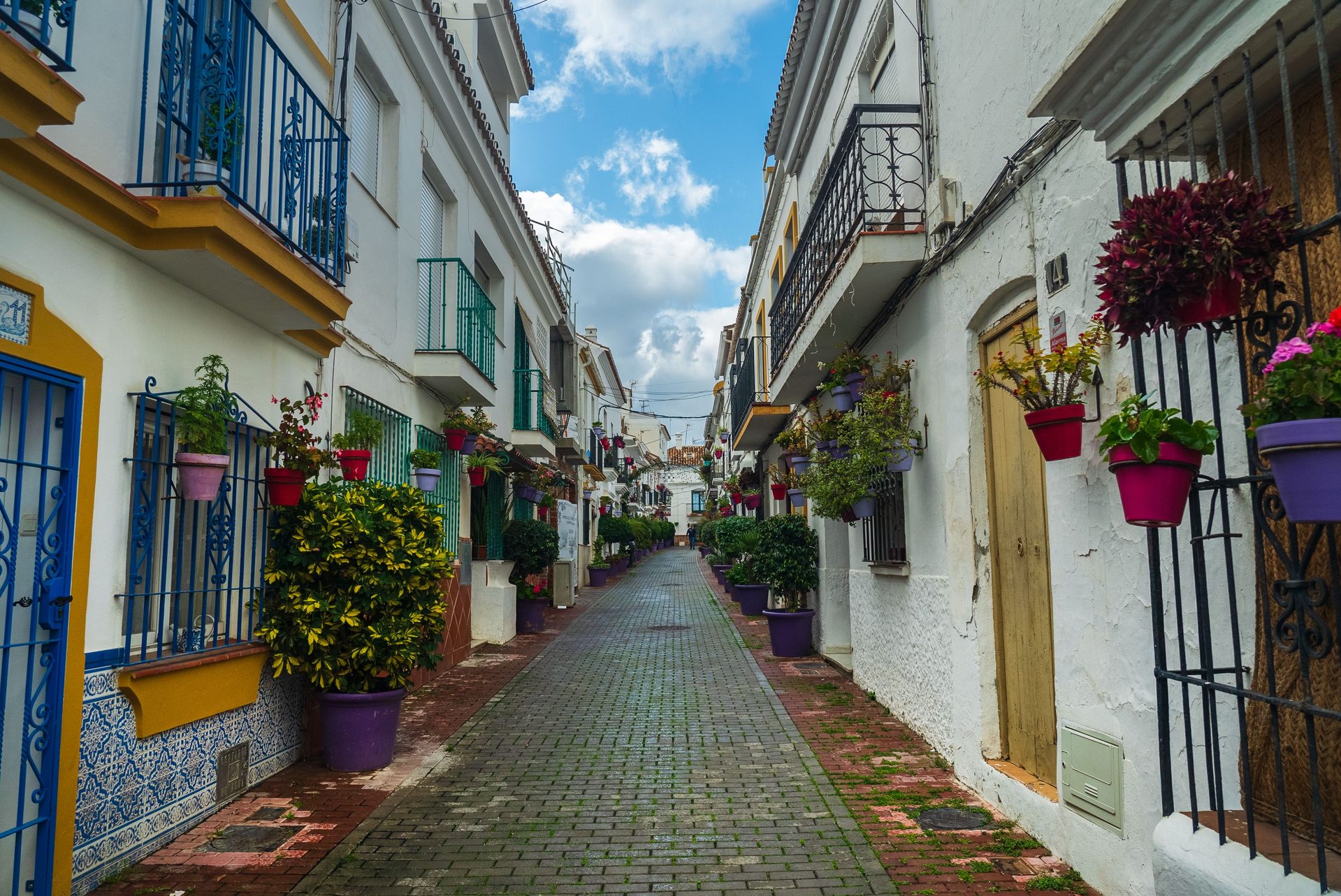
Marbella Old Town offers a property market quite different from the modern villas and apartment developments found elsewhere along the coast. Homes here are defined by their historic setting, traditional architecture, and individual character, with many properties located along narrow pedestrian streets.
Traditional Andalusian townhouses are among the most distinctive properties in the area. These often feature interior courtyards, rooftop terraces, wooden beams, decorative tiles, and original architectural details. Some have been carefully renovated to combine historic features with modern kitchens, bathrooms, and contemporary interiors.
Apartments are another common option, ranging from compact homes in older residential buildings to renovated properties with balconies overlooking the surrounding streets. Penthouses and upper-floor apartments with private terraces are particularly appealing to buyers who want outdoor space in the heart of the city.
A smaller selection of larger townhouses and fully refurbished properties offers more generous living areas, sometimes with multiple bedrooms, private patios, and rooftop terraces.
Unlike newer residential developments, most properties in Marbella Old Town do not offer communal swimming pools, extensive gardens, or private parking. However, their central location, architectural character, and proximity to everyday amenities create a different kind of appeal.
For buyers who value individuality, walkability, and a genuine connection to Marbella’s history, the Old Town offers an interesting alternative to the surrounding residential areas.
How Much Does Property Cost in Marbella Old Town?
Property prices in Marbella Old Town vary considerably depending on the size, condition, location, and architectural character of the home. Renovation quality, outdoor space, and proximity to the main squares can also have a significant influence on value.
Smaller apartments and properties requiring renovation generally sit at the more accessible end of the market, while fully refurbished apartments and homes with private terraces command higher prices.
Traditional townhouses tend to represent the higher end of the market, particularly when they have been carefully restored and offer several bedrooms, interior patios, or rooftop terraces. Larger renovated homes in central locations can reach well into the million-euro range.
Because the Old Town has a limited supply of properties and each building is different, prices can vary significantly even between neighbouring streets. Buyers should also consider the potential cost of renovation and any planning restrictions associated with older or historically protected buildings.
Overall, Marbella Old Town appeals to buyers looking for a characterful home in a central location, where the property’s individual features can be just as important as its size.
Things to Do in Marbella Old Town
Marbella Old Town offers a lifestyle centred around walking, dining, shopping, and enjoying the city’s historic surroundings. With much of the neighbourhood pedestrianised, everyday activities often begin simply by stepping outside.
Plaza de los Naranjos is one of the area’s main attractions, offering a lively setting for morning coffee, lunch, or an evening drink. The surrounding streets are filled with independent boutiques, small galleries, artisan shops, and traditional Spanish businesses, making the Old Town an enjoyable place to explore throughout the year.
History and culture are also part of the experience. Visitors can discover the remains of Marbella’s Moorish castle, the Church of Nuestra Señora de la Encarnación, and the Museo del Grabado Español Contemporáneo, which showcases Spanish printmaking within a historic building.
Shopping ranges from small independent boutiques in the Old Town to the wider retail streets of central Marbella. Avenida Ricardo Soriano and the surrounding areas provide a mix of national and international brands, while La Cañada Shopping Centre is a short drive away.
The beach and promenade are another major advantage. Within walking distance, residents can enjoy swimming, beachfront restaurants, cycling, and long walks along the Mediterranean. Playa de Venus and Playa de la Fontanilla are among the nearby beaches, offering easy access to the sea without needing to leave the city.
Marbella also hosts cultural events, religious celebrations, markets, and seasonal activities throughout the year. Traditional events such as Semana Santa bring a particularly special atmosphere to the historic streets, while the city’s summer celebrations add to its lively character.
For those who enjoy a more active lifestyle, gyms, yoga studios, tennis clubs, padel courts, and golf courses are all accessible in and around Marbella.
Restaurants in Marbella Old Town
Marbella Old Town is one of the city’s most enjoyable areas for dining, with a wide selection of restaurants, tapas bars, cafés, and intimate dining spots tucked between its historic streets and squares.
Traditional Andalusian cuisine remains an important part of the local food scene. Family-run restaurants serve regional dishes, fresh seafood, grilled meats, and classic tapas, while small bars offer a more informal setting for drinks and shared plates.
Among the area’s well-known restaurants is Skina, a Michelin-starred dining destination recognised for its contemporary interpretation of Andalusian cuisine. Its intimate setting and focus on regional ingredients make it one of Marbella’s most distinctive fine-dining experiences.
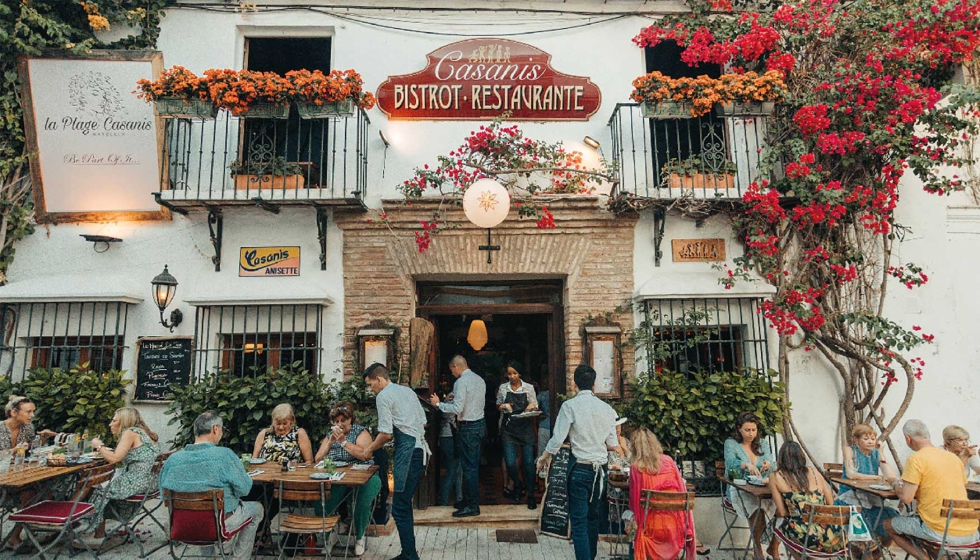
Casanis Bistrot, located along Calle Ancha, offers French-inspired Mediterranean cuisine in a charming Old Town setting. The Farm is another popular choice, known for its relaxed courtyard atmosphere and a menu influenced by seasonal ingredients.
For traditional tapas, El Boquerón offers a more local dining experience, while the streets surrounding Plaza de los Naranjos provide plenty of options for coffee, lunch, and relaxed evening meals.
The wider Marbella centre also offers a growing selection of international restaurants, cocktail bars, and beachfront dining venues, all within walking distance or a short taxi ride.
Whether it’s a casual lunch, an evening of tapas, or a special occasion, living in Marbella Old Town means having a varied restaurant scene right on your doorstep.
Healthcare Near Marbella Old Town
Marbella Old Town benefits from excellent access to healthcare, with public health centres, private clinics, and major hospitals available throughout Marbella and the surrounding area.
For public healthcare, Centro de Salud Leganitos serves the central Marbella area, while Hospital Costa del Sol provides a broad range of specialist services, hospital treatment, and 24-hour emergency care. Residents can also access other public healthcare facilities depending on their assigned health centre.
Private healthcare is well represented in Marbella. Hospital Ochoa, located close to the town centre, provides medical consultations, diagnostics, and specialist services. Hospital Quirónsalud Marbella and HC Marbella International Hospital offer further options for private medical treatment, including access to international and multilingual healthcare professionals.
Additional clinics such as Clínica Premium Marbella and RS Clinic Marbella provide a range of specialist consultations and treatments.
For private home medical assistance, Helicópteros Sanitarios operates a 24-hour service across the Costa del Sol.
Schools in and Around Marbella Old Town
Marbella Old Town is a practical location for families, with public schools in and around the town centre and a wide selection of private and international schools across Marbella. Families can choose between Spanish education and international curricula depending on their preferences and long-term plans.
Some of the schools in and around Marbella include:
- CEIP Nuestra Señora del Carmen – A public infant and primary school in central Marbella, offering education within the Spanish school system.
- CEIP Vicente Aleixandre – A public infant and primary school serving families in Marbella.
- IES Río Verde – A public secondary school offering Spanish secondary education and Bachillerato programmes.
- Swans International School – An established international school offering British education across its Marbella campuses.
- The British International School of Marbella – A British-curriculum school offering education from early years through secondary level.
- Aloha College Marbella – An international school in Nueva Andalucía offering British and international education programmes.
- Colegio Alborán – A private Spanish school in the Marbella area, offering education across several age groups.
The variety of schools makes Marbella Old Town an option for families seeking both local Spanish education and access to international schooling, although travel arrangements will depend on the chosen school.
What Is It Like to Live in Marbella Old Town with Children?
Living in Marbella Old Town with children offers a different experience from family life in Marbella’s larger residential urbanisations. Rather than private gardens and gated communities, daily life revolves around pedestrian streets, public squares, local parks, and the amenities of the city centre.
One of the main advantages is walkability. Families can reach cafés, shops, playgrounds, beaches, and many everyday services on foot, making it possible to enjoy much of Marbella without relying on a car for every activity.
The pedestrianised streets also create a pleasant environment for family walks, while nearby Parque de la Alameda and Parque de la Constitución provide green spaces for spending time outdoors. The seafront promenade and beaches offer further opportunities for cycling, swimming, and family activities.
There are, however, a few practical considerations. Many traditional Old Town properties have multiple floors, narrow staircases, and limited private outdoor space. Parking can also be challenging, particularly for families who need a car for school runs or regular activities outside the centre.
For families who enjoy an active, walkable lifestyle and the atmosphere of a traditional Spanish neighbourhood, Marbella Old Town can offer a rewarding place to raise children. Choosing the right property and street is especially important to ensure the home suits everyday family needs.
10 Reasons to Live in Marbella Old Town
- Historic Andalusian character – Whitewashed streets, traditional architecture, and centuries of history give Marbella Old Town a character unlike anywhere else in the city.
- A genuinely walkable lifestyle – Shops, restaurants, cafés, beaches, and everyday services are all within easy walking distance, reducing the need for a car.
- A lively year-round atmosphere – Marbella Old Town remains active beyond the summer months, with a mix of local residents, international homeowners, and visitors.
- Unique property options – From traditional townhouses with interior patios to beautifully renovated apartments, homes in the Old Town offer individuality and architectural character.
- Excellent dining options – Traditional tapas bars, neighbourhood cafés, and recognised restaurants make the Old Town one of Marbella’s most enjoyable places to eat.
- The beach close by – Marbella’s promenade and Mediterranean beaches are just a short walk away, making coastal living part of everyday life.
- Culture and local traditions – Historic landmarks, museums, festivals, and traditional celebrations keep the area connected to Marbella’s cultural heritage.
- Convenient everyday services – Supermarkets, pharmacies, healthcare, shopping streets, and public transport are all easily accessible from the historic centre.
- Access to schools and family activities – Public and international schools, nearby parks, beaches, and sports facilities provide options for families living in central Marbella.
- A distinctive place to call home – Marbella Old Town combines the character of a traditional Andalusian neighbourhood with the convenience of living in the centre of a modern coastal city.
Looking to Buy in Marbella Old Town?
If you’re considering Marbella Old Town as your next home or investment, Cima Real Estate is here to help you explore the possibilities. From traditional Andalusian townhouses to renovated apartments in the historic centre, we can guide you through the local property market and help you find a home that suits your lifestyle.
Explore available properties with Cima or contact our team for personalised guidance on buying property in Marbella Old Town.